Useful Microorganism - Yeast
what is meant by yeast ?
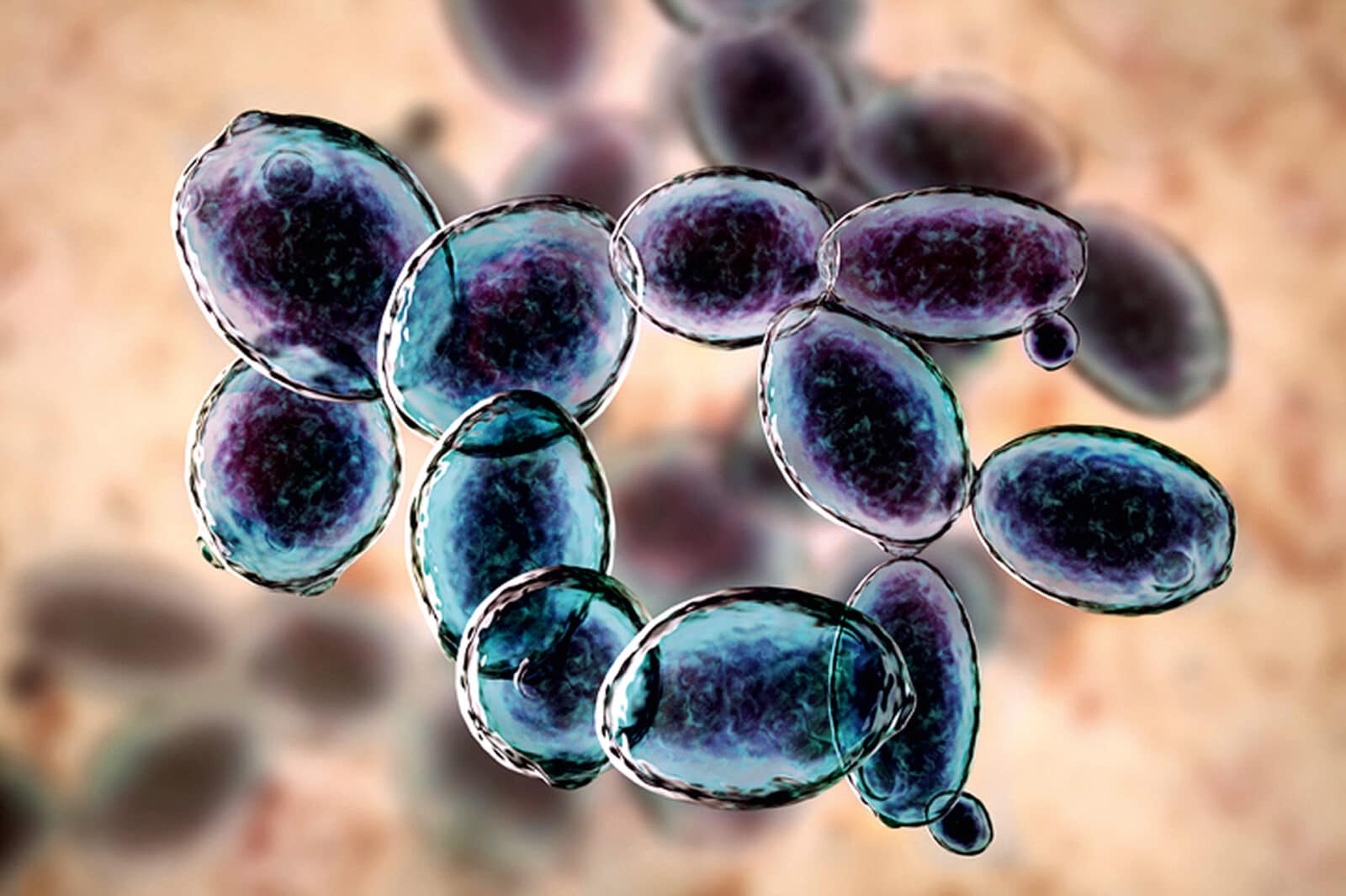
Yeast growth :
Yeasts are non-pathogenic and are very easy to work with4. Yeasts can be grown in chemical-defined media both in liquid culture and on solid agar. Both Saccharomyces cerevisiae and Schizosaccharomyces pombe can grow optimally at 30°C with an average doubling time of 90 – 120 minutes. However, they also can grow at temperatures as low as 16°C and as high as 42°C. In between usage, yeast can be stored in 10% glycerol at -80°C freezer for years.

The Structure of a Yeast Cell
The Role Of Yeast In Fermentation Process
2.1. Alcoholic Fermentations
The production of alcoholic beverages from fermentable carbon sources by yeast is the oldest and most economically important of all biotechnologies. Yeast plays a vital role in the production of all alcoholic beverages. Yeast plays a vital role in the production of all alcoholic beverages and the selection of suitable yeast strains is essential not only to maximise alcohol yield, but also to maintain beverage sensory quality [2].
2.1.1. Wine Fermentation
In wine fermentation, strains with specific characteristics are needed, for instance, highly producers of ethanol to reach values of 11–13% v/v, typically found in this beverage. On the other hand, beers and ciders contain less amounts of ethanol with a balanced and distinctive sensory profile characteristic of each one. In recent years, new consuming trends and requirements for new and innovative products have emerged. This situation led to rethink about the existing fermented beverages and to meet the demands of consumers. Yeasts are largely responsible for the complexity and sensory quality of fermented beverages. Based on this, current studies are mainly focused on the search of new type of yeasts with technological application. Non-Saccharomyces yeasts have always been considered contaminants in the manufacture of wine and beer. Therefore, procedures for eliminating them are routinely utilized such as must pasteurization, addition of sulfite and sanitization of equipment and processing halls. In recent years, the negative perception about non-Saccharomyces yeasts has been changing due to the fact that several studies have shown that during spontaneous fermentations of wine, these yeasts play an important role in the definition of the sensory quality of the final product. Based on this evidence, the fermentative behavior of some non-Saccharomyces yeasts is being studied in deep with the purpose of finding the most adequate conditions and the most suitable strain to be utilized in the production of fermented beverages.
Beer is the most consumed alcoholic beverage worldwide. It is traditionally made from four key ingredients: malted cereals (barley or other), water, hops, and yeast. Each of these ingredients contributes to the final taste and aroma of beer. During fermentation, yeast cells convert cereal-derived sugars into ethanol and CO2. At the same time, hundreds of secondary metabolites that influence the aroma and taste of beer are produced. Variation in these metabolites across different yeast strains is what allows yeast to so uniquely influence beer flavor [9]. Although most breweries use pure yeast cultures for fermentation, spontaneous or mixed fermentation is nowadays used for some specialty beers. These fermentation procedures involve a mix of different yeast species (and bacteria as well) that contribute to the final product sequentially, giving the beer a high degree of complexity. Commonly, breweries have their own stock of selected yeasts for their specific beers. As it is well-known, two types of yeast are used in brewing: S. cerevisiae as the top-fermenting yeast to make ales while S. pastorianus is a bottom-fermenting yeast used in lager brewing processes [10].
Nice information
ReplyDeleteNice info👌🏻
ReplyDeleteUseful information
ReplyDeleteNice information
ReplyDeleteUseful information &nice presentation
ReplyDeleteInformative 👍
ReplyDeleteNice information 👌
ReplyDeleteInformative
ReplyDeleteThis blog post is an absolute treasure trove of knowledge about the intricate world of yeast and fermentation. Your thorough research and clear explanations make complex topics like alcoholic and non-alcoholic fermentation accessible to readers of all backgrounds. I especially enjoyed learning about the specific roles yeast plays in crafting different beverages and food products, from the nuanced flavors of wine to the comforting aroma of freshly baked bread. Thank you for sharing your expertise in such an engaging and informative way!
ReplyDeleteNice Information
ReplyDeleteNice information
ReplyDeleteClear ,concise and complete information. Thank you!
ReplyDelete